Nigeria’s Minister of Information and National Orientation, Mohammed Idris, has urged the media to intensify efforts to promote fact-based public discourse, verification and national cohesion as the country approaches another electoral cycle.
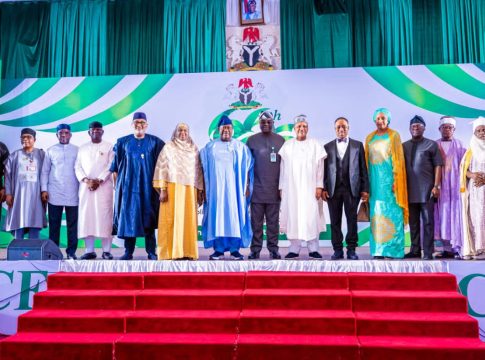
Idris made the call in Abuja at the Independence Day Public Lecture held to commemorate Nigeria’s 66th Independence Anniversary, with the theme, “From Reforms to Stability: Consolidating Nigeria’s Renewed Hope for Shared Prosperity.”
The minister stressed that the media had an important role in shaping public discourse and strengthening democratic engagement, noting that political differences should not undermine national unity.
“The media, particularly as we approach another electoral cycle, carries a special responsibility to promote informed public discourse anchored on facts, verification and national cohesion. Political differences are legitimate in a democracy; they must never diminish our common identity as Nigerians,” he said.
Reflecting on Nigeria’s 66 years of nationhood, Idris urged citizens and institutions to contribute to strengthening the country’s democratic development and national cohesion.
He noted that Nigeria’s diversity should remain a source of strength rather than division, recalling that the country’s founding leaders had undertaken the task of building one nation despite differences among its people.
“Sixty-six years ago, our founding fathers and heroines took up the responsibility of building one nation from our remarkable diversity. They believed that Nigerians, despite our differences, could forge a common destiny,” Idris said.
The minister maintained that the responsibility of sustaining that vision now rested with the present generation.
Read Also: President Trump Unveils $200bn South Korean Investment
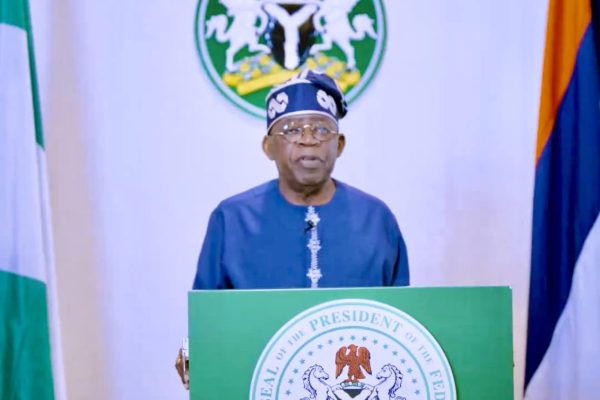
“Today, that baton is in our hands. And at this important moment in our national journey, President Bola Ahmed Tinubu, GCFR, holds the baton of leadership, with the responsibility of steering Nigeria through necessary reforms towards stability, growth and shared prosperity,” he said.
Idris also linked national cohesion to the success of the government’s reform programme, stressing that the government alone could not deliver the desired transformation.
He said reforms undertaken over the past three years had addressed longstanding structural weaknesses and were beginning to create stronger foundations for economic growth.
“The reforms of the past three years have not been easy. They have demanded sacrifice and patience from Nigerians. But they have also begun the difficult process of correcting longstanding structural weaknesses and laying stronger foundations for the future,” the minister said.
Idris noted that Nigeria’s economy recorded 4.43 per cent growth in the second quarter of 2026, while domestic refining capacity, investment and productive activity were expanding.
He said the priority was now to ensure that economic gains translated into tangible benefits for citizens through greater opportunities, employment and improved livelihoods.
“Our goal is clear: to turn reform into stability, stability into growth, and growth into a new era of shared prosperity in which every Nigerian can aspire, work and prosper,” Idris stated.


The minister described Nigeria as a “continuing project” and urged citizens to recognise their responsibility to contribute to the country’s progress and pass on a stronger nation to future generations.
“At 66, Nigeria remains a continuing project. Every generation receives the baton, runs its course and passes it forward. Let us therefore renew our faith in our country and our commitment to building the Nigeria we all desire,” he added.
Also speaking, the Secretary to the Government of the Federation, Senator George Akume, said Nigeria had passed through difficult periods since independence but continued to demonstrate resilience and faith in the Nigerian project.
Akume said the administration’s reforms, including petrol subsidy removal, foreign exchange reforms and fiscal measures, were intended to restore stability and create conditions for sustainable economic growth.
“This administration took office in 2023 and immediately took bold decisions needed to save the nation from imminent collapse. Such decisions include the removal of the petrol subsidy, unification of the foreign-exchange market, tax and other fiscal reforms,” he said.
The SGF noted that the next phase required translating economic growth into jobs, incomes and opportunities while sustaining investments in infrastructure, agriculture, education, healthcare, social protection and security.
He disclosed that the government was also expanding access to CNG, supporting food production and value chains, widening education financing and strengthening interventions for vulnerable Nigerians.
“We know the path will not be easy but our goal is clear: shared prosperity for all Nigerians. We will deepen our reforms, keep investing in education, infrastructure and healthcare, and make sure growth leads to real opportunities for everyone,” Akume said.
The anniversary lecture provided an opportunity to reflect on Nigeria’s journey since independence and renew the commitment to building a more prosperous, secure and united nation.