What truly defines the performance of a lawmaker?
Is it only the projects delivered to a constituency, or does effective representation go beyond physical infrastructure and empowerment programmes?
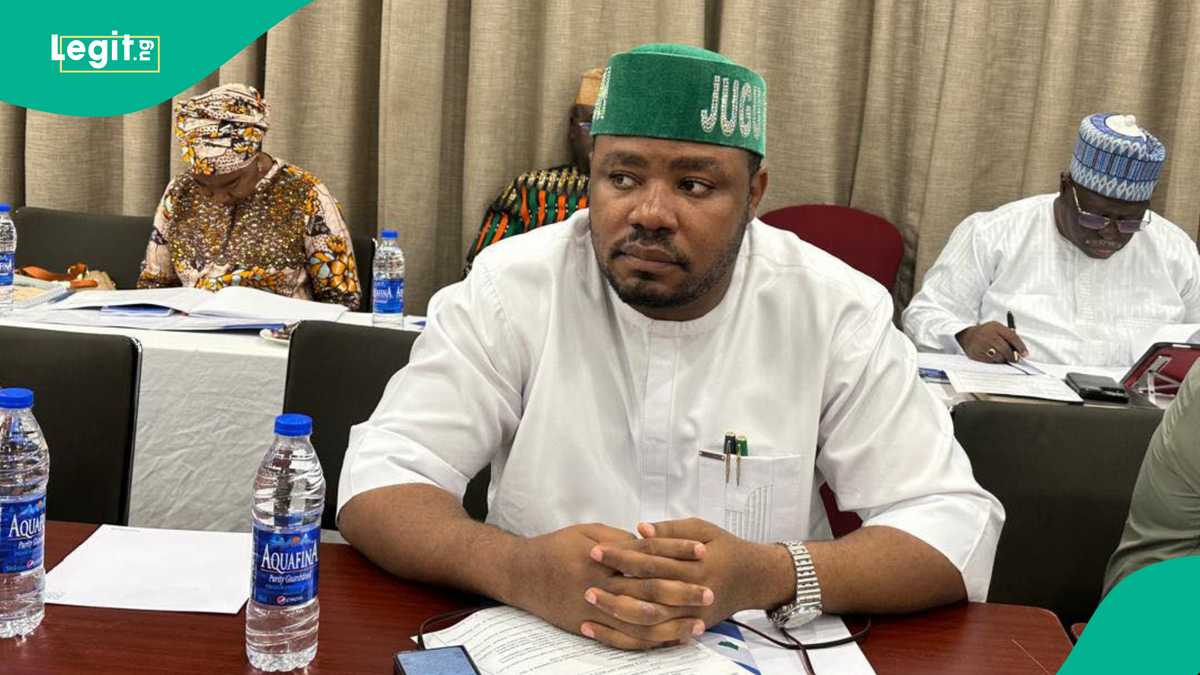
A special commentary on the parliamentary record of Okanga argues that the real measure of legislative performance lies in the quality of laws proposed, debates advanced, motions raised and institutional roles undertaken.
According to the report, Okanga’s legislative journey reflects a strong focus on institution-building, policy development and long-term solutions.
One of the major areas of his legislative engagement is agriculture.
The report highlights his proposal for the establishment of a Federal College of Agriculture in Agila. The initiative is presented as an effort to strengthen agricultural education, research and skills development, while supporting the transformation of rural economies.
The report also highlights his involvement in healthcare reform.
Okanga advanced a proposal for the establishment of a Federal Medical Centre in Otukpa, aimed at addressing unequal access to specialised healthcare and reducing the pressure on existing medical facilities.
His healthcare-related activities also include proposed amendments to the Federal Medical Centres Act, with the stated objective of improving operational frameworks and service delivery.
Economic diversification is another major part of the parliamentary record highlighted in the report.
Okanga sponsored a bill seeking to establish a Non-Oil Mineral Resources Producing Communities Development Commission.
The proposal focuses on the development of communities affected by solid mineral extraction while promoting more inclusive resource governance.
Security and drug control also feature in his legislative activities.
Read Also: Ex-BBNaija star Mike Edwards challenges Carter Efe to boxing match
The report points to his involvement in the National Drugs Law Trust Fund Bill, which seeks sustainable financing for drug law enforcement and regulatory activities.
He also supported the Nigeria Security and Civil Defence Corps Trust Fund Bill, aimed at strengthening the funding and operational capacity of the security agency.
Infrastructure is another area of legislative attention.
His sponsorship of the Infrastructure Support Bill reflects an approach that places infrastructure development within a broader legal and policy framework rather than relying only on individual projects.
The report also highlights professional regulation through the proposed Nigerian Institute of Facilities Management Bill, which focuses on professional standards, asset management and operational efficiency.
In the area of education and technology, Okanga’s legislative record includes a proposal for the establishment of a Federal University of Information and Communication Technology in Lagos Island.
The initiative is presented as a response to the growing importance of digital skills, research, innovation and technology-driven education.
The report also points to a proposal for a Federal University of Agriculture in Ute Okpu, further demonstrating the emphasis placed on agricultural education.
Beyond bills, Okanga’s parliamentary footprint includes several motions.
One called for an investigation into crude oil theft and revenue losses, bringing attention to accountability in Nigeria’s oil and gas sector.
Another sought an investigation into an armed robbery attack in Otukpo, highlighting security concerns at the community level.
He also moved a motion concerning allegations involving judgment debtors and audit defaulters, focusing on fiscal responsibility and the rule of law.
Environmental protection also featured in his parliamentary interventions, including a motion concerning the protection of aquatic and terrestrial habitats in Niger Delta host communities.
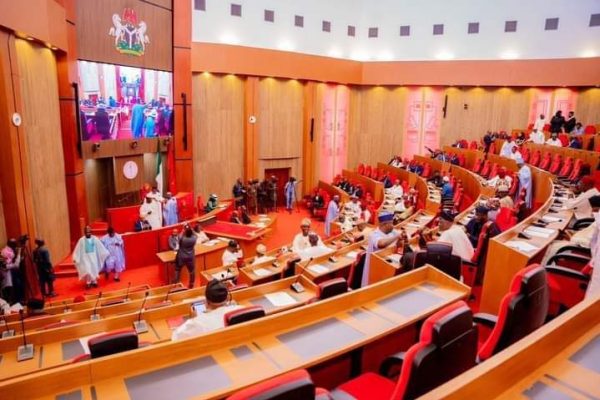
The report further notes his involvement in parliamentary leadership.
Okanga served as Deputy Spokesman and Vice Chairman of the House Committee on Media and Public Affairs.
He also served as Spokesman of the House Committee on Constitution Review, placing him within discussions concerning Nigeria’s constitutional development.
Beyond Nigeria, the report highlights his role as Chairman of the Nigeria-Finland Parliamentary Group, as well as his position as Rapporteur at the Pan-African Parliament.
According to the commentary, these positions expanded his involvement into parliamentary diplomacy and broader African policy discussions, particularly in areas including health, labour and social affairs.
Taken together, the report presents Okanga’s parliamentary record through his bills, motions and leadership responsibilities.
Its central argument is that legislative performance should not be measured only by visible projects.
Instead, it says attention should also be given to the laws lawmakers propose, the policies they influence, the institutions they seek to strengthen and the debates they advance.
For Okanga, the report describes a parliamentary footprint centred on institution-building, policy development and long-term governance outcomes.
Ultimately, it argues that some of the most significant contributions of legislators may not always be immediately visible, but can be found in the laws, institutions and policy frameworks that shape society over time.
For more political reports, parliamentary analysis and Nigerian current affairs, subscribe to our YouTube channel, turn on the notification bell, and stay informed.