
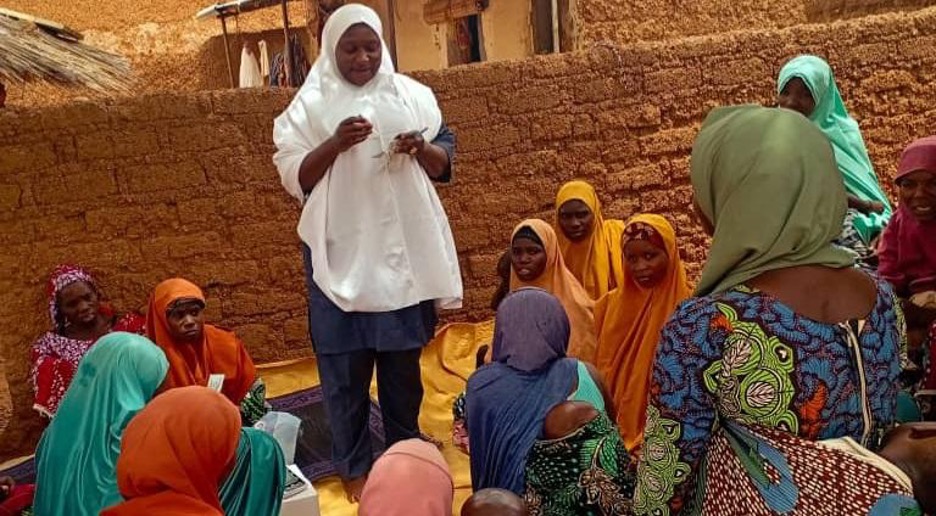
Dutse – Worsening economic conditions and the rising cost of living are encouraging more families in Jigawa State to embrace family planning as a practical way to manage household expenses and improve family welfare.
Across the predominantly conservative state, where contraceptive use has traditionally faced cultural and religious resistance, health workers say more couples are now seeking child-spacing services to reduce the financial burden of raising large families.
Many residents attribute the shift to soaring food prices, declining household incomes, and the increasing cost of education, healthcare and other basic necessities.
Healthcare providers in the state report a significant increase in the number of women accessing family planning services. At General Hospital, Hadejia, officials say hundreds of women now visit the facility each month for contraceptive services, with many accompanied by their husbands.
At the Hadin Primary Healthcare Centre in Kaugama Local Government Area, health authorities also recorded a sharp rise in the number of clients seeking family planning services, attributing the increase to improved public awareness and mounting economic pressure on households.
According to the 2023–2024 Nigeria Demographic and Health Survey, the country’s fertility rate has declined from 5.3 children per woman in 2018 to 4.8 children per woman, reflecting a gradual increase in the adoption of modern family planning methods.
Despite the progress, Nigeria’s modern contraceptive prevalence rate remains at about 15 per cent, below the Federal Government’s target of 27 per cent.




Medical professionals say family planning not only promotes healthier birth spacing but also enables parents to provide better nutrition, education and healthcare for their children.
Development experts believe the growing acceptance of family planning reflects the economic realities facing many households, with couples increasingly choosing to have the number of children they can comfortably support.
Non-governmental organisations providing reproductive health services have also reported increased demand for contraceptive services across Jigawa State. They, however, stress that family planning should always remain a voluntary and informed decision rather than one driven solely by financial hardship.
Economists say the trend underscores the broader impact of inflation and the cost-of-living crisis on household decisions, warning that sustained investment in education, healthcare, employment and social protection remains essential to improving living standards and reducing poverty.