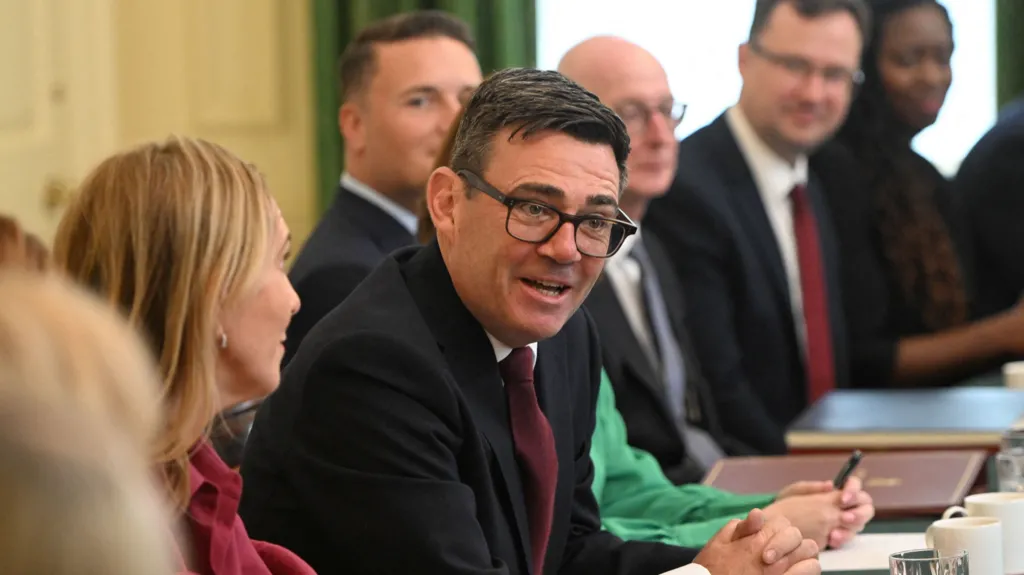
He told ministers that reducing living costs would be a top priority and said he wanted people to feel that “help is coming.”
His first major policy announcement was a cut in VAT on household electricity bills from 5% to 0%, effective from October.
The government plans to fund the measure by cancelling the previous government’s digital ID scheme. Downing Street said the VAT cut, estimated to cost £850 million for the remainder of the financial year, would be financed from the £1.8 billion previously allocated to the digital ID programme over the next three years.
However, former Treasury minister Darren Jones argued the digital ID scheme had been unfunded, saying the government would need to explain where the money would come from.
The Conservatives also questioned the funding plan. Shadow Chancellor Sir Mel Stride accused the government of “playing fast and loose with the public finances.”
Downing Street insisted the policy would be funded by redirecting departmental savings originally intended to support the digital ID programme.
Burnham received applause from ministers as he chaired his first Cabinet meeting after appointing his senior team. Further junior ministerial appointments are expected.
The Cabinet reshuffle saw several allies of former Prime Minister Sir Keir Starmer leave government. Ed Miliband was promoted to Foreign Secretary, Louise Haigh became Cabinet Office minister, and John Healey was appointed Chancellor after previously resigning as Defence Secretary.
Addressing Treasury staff, Healey said maintaining discipline over tax and public spending would be his “first duty.” He reaffirmed the government’s fiscal rules while pledging to maximise both public and private investment within those limits.
Burnham said ministers would be asked to propose additional measures to reduce household costs.




“There are things that can be done, big and small,” he said.
He stressed that every new policy would be fully funded and acknowledged that ministers would need to reprioritise spending ahead of his first Budget.
The government also announced an additional £340 million over five years to tackle rough sleeping, funded from existing uncommitted housing department spending.
The VAT reduction on household electricity bills is expected to save the average household around £45 a year in England, Scotland and Wales.
The measure will not apply in Northern Ireland because of post-Brexit arrangements agreed by the previous Conservative government. Instead, the Stormont administration will receive additional Treasury funding for cost-of-living support.
Both the Conservatives and Reform UK had previously supported removing VAT from household energy bills. Reform UK leader Nigel Farage welcomed the move as a Brexit benefit but argued it would not solve the wider cost-of-living crisis, calling instead for action on green levies attached to energy bills.